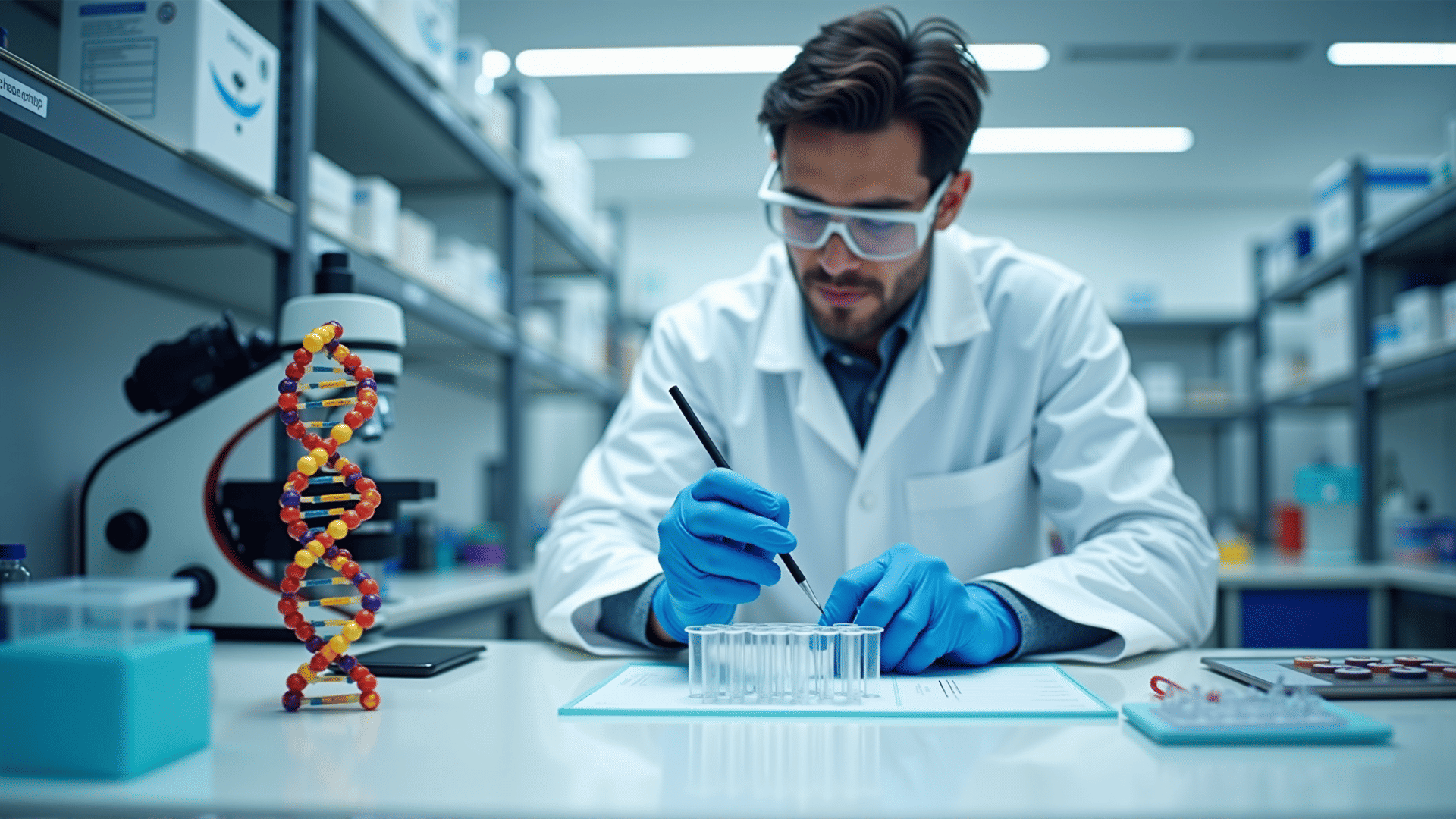
In recent years, biotechnology has emerged as a pivotal field in transforming healthcare and enhancing the quality of life. The fusion of biology and technology has paved the way for groundbreaking innovations that are reshaping the landscape of medicine, agriculture, and environmental management. Here, we delve into some of the most promising biotechnological advancements that are revolutionizing healthcare practices and improving human well-being.
One of the most significant advancements in biotechnology is the development of personalized medicine. By harnessing genomic data, healthcare providers can tailor medical treatments to individual patients, leading to more effective therapies with fewer side effects. This approach is made possible through advances in gene sequencing technologies, which allow for a comprehensive understanding of a patient’s genetic makeup. Personalized medicine exemplifies how biotechnology is not only enhancing treatment efficacy but also propelling a shift towards preventive and precision healthcare.
Gene editing technologies, such as CRISPR-Cas9, represent another monumental leap in biotechnology. This tool allows scientists to make precise modifications to DNA, offering the potential to correct genetic disorders at their source. Diseases such as cystic fibrosis, muscular dystrophy, and certain forms of inherited blindness are among the many conditions that could potentially be treated through gene editing. The promise of CRISPR extends beyond disease treatment, opening new doors for research into human biology and evolutionary genetics.
Biotechnology is also making strides in the field of regenerative medicine. Stem cell technology, for instance, holds remarkable potential for repairing or replacing damaged tissues and organs. Recent innovations have led to the development of lab-grown organs, which harbor the possibilities of alleviating organ shortages and improving transplantation outcomes. Coupled with 3D bioprinting techniques, regenerative medicine is on the cusp of transforming surgical procedures and offering solutions to previously incurable ailments.
The intersection of biotechnology and artificial intelligence is fostering significant improvements in diagnostics and disease management. AI-driven algorithms are now capable of analyzing vast datasets to identify patterns and predict disease progression with unprecedented precision. This capability not only aids in early diagnosis and intervention but also enhances our understanding of complex diseases, including cancer and neurodegenerative disorders. By augmenting human decision-making, AI is streamlining healthcare delivery and enabling more informed treatment decisions.
Furthermore, biotechnology is addressing global challenges beyond human health. In agriculture, genetically modified organisms (GMOs) are enhancing crop resilience to climate change, pests, and diseases, ensuring food security in an ever-changing environment. Biotechnological innovations are also pivotal in developing sustainable biofuels, reducing our reliance on fossil fuels and mitigating the effects of climate change.
The ethical considerations surrounding the use of biotechnology remain a topic of vital importance. As we advance further into the capabilities of genetic manipulation and synthetic biology, it is crucial to navigate the moral implications with caution. Ensuring equitable access to biotechnological advancements and establishing robust regulatory frameworks will be essential in maximizing the benefits while minimizing potential risks.
In conclusion, biotechnology is poised to play an instrumental role in shaping the future of global healthcare and environmental sustainability. Through innovations such as personalized medicine, gene editing, regenerative therapies, and AI integration, biotechnology is not only offering solutions to some of the most pressing health challenges but is also opening doors to new possibilities for improving quality of life. As we continue to push the boundaries of this transformative field, we must balance innovation with ethical integrity to harness its full potential in creating a healthier, more sustainable world.